AI Chip War: Nvidia Fights Back Against Google TPU Threat
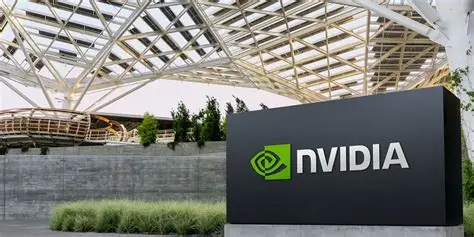
For years, Nvidia has been the undisputed king of the AI world. Their GPUs, particularly the high-end H100 and forthcoming B200 series, command over 90% of the market for training large language models. But a seismic tremor hit the market this week following reports that Google is making aggressive inroads, pitching its custom TPUs (Tensor Processing Units) to major customers like Meta.
The market's reaction was swift and dramatic: Nvidia’s stock took a sharp dive.
In a move that highlights the severity of the perceived threat, Nvidia issued an almost unprecedented public statement asserting its dominance, declaring unequivocally: "We Are A Generation Ahead."
The Core of the Conflict: Google’s Strategy
Google is not just a competitor; it's a colossal consumer of its own chips. By refining the TPU technology through use in its search engine, Google Cloud, and DeepMind, it has created an exceptionally efficient specialized chip.
The current strategy is twofold:
- Offering TPUs to Google Cloud Customers: This is standard competition, but highly effective for customers already integrated into the Google ecosystem.
- Targeting Hyperscale Clients: The key danger lies in reports that Google is actively courting giants like Meta (who also uses Nvidia) by offering attractive long-term deals and integration support for TPUs. Winning over a client like Meta would significantly validate the TPU as a mainstream alternative and directly threaten Nvidia's market share.
Nvidia’s Unwavering Defense
Nvidia’s public declaration that they are "A Generation Ahead" is a calculated maneuver aimed at investor confidence and customer loyalty. It implies that while rivals may be catching up to their current chips, Nvidia already has superior technology lined up for the future (such as their next-generation Blackwell platform).
This public squabble is not just corporate pride; it’s a fight over trillions of dollars in future economic infrastructure. The winning chip manufacturer will literally dictate the speed and cost of the AI age.
The Question for the Market
The real debate for the industry is this: Is Google's TPU a genuine, existential threat to Nvidia's crown, or is the stock drop simply a classic market overreaction to competition? The answer will determine whether we move toward a hardware monopoly (Nvidia) or a competitive duopoly, where specialized chips from Google, Amazon, and others force down prices and accelerate innovation.
Comments ()