
Egypt’s Fintech Revolution: How Cashless Payments Are Transforming Daily Life in 2025
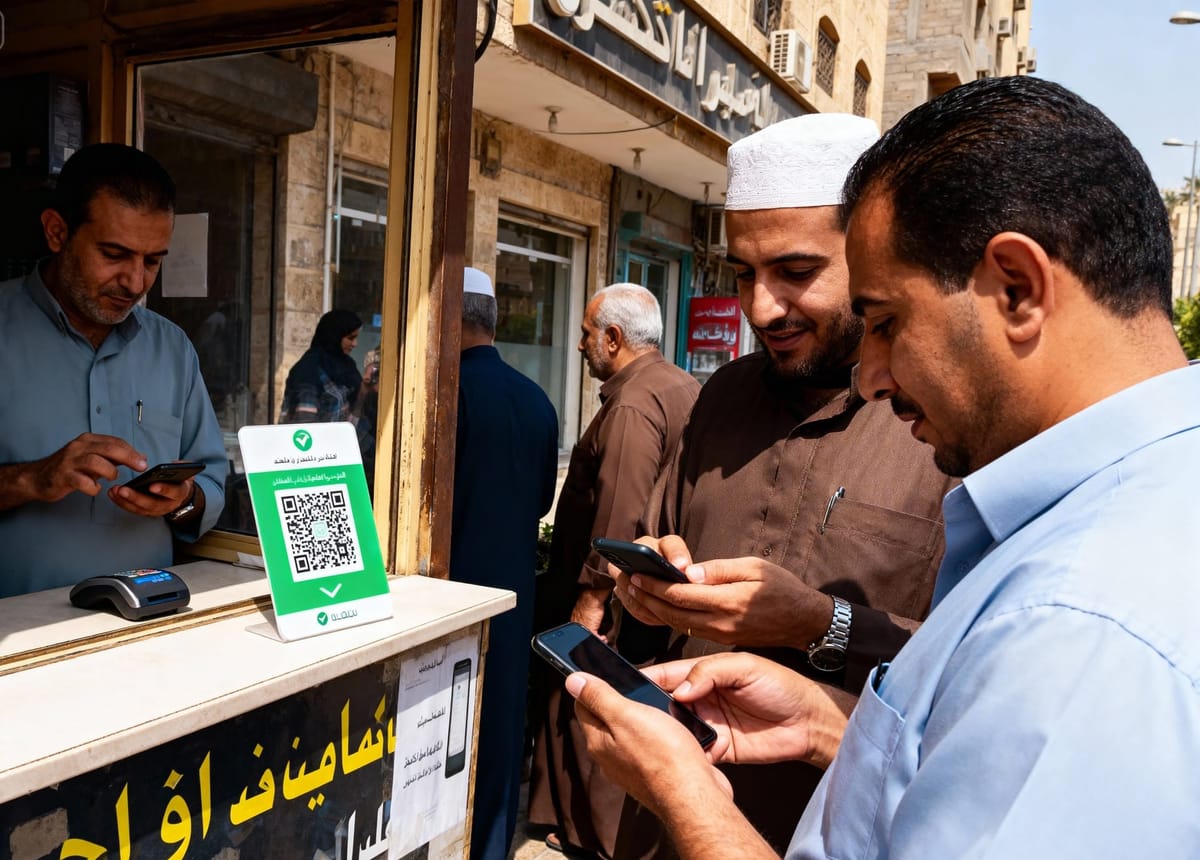
Over the past few years, Egypt has rapidly transitioned from a cash-heavy society to one of the fastest-growing fintech markets in the Middle East and Africa (MEA). What began as small, cautious steps toward digital payments in 2020 has exploded into a powerful, nationwide movement for a modern, cashless economy.
Today, Egypt’s financial landscape is being collectively reshaped by the Central Bank (CBE), leading commercial banks, aggressive telecom operators, and a vibrant ecosystem of fintech startups. This transformation is driven by a clear national goal: financial inclusion for all, powered by the digital-first generation.
The National Mandate: Financial Inclusion by Design
Egypt’s commitment to modernizing its financial system is rooted in its national plan, Egypt Vision 2030, which prioritizes tech-driven growth and expanded access to formal financial services.
Since 2022, the country has implemented a clear digital financial inclusion strategy with defined targets focused on:
- Expanding Access: Dramatically increasing the number of active mobile wallets.
- Encouraging Adoption: Making QR-code payments ubiquitous across all retail tiers.
- Reducing Reliance: Systematically lowering the nation's heavy dependence on physical cash.
- Modernizing Services: Digitizing key government payment and service portals.
This strategy is specifically designed to integrate young people and underserved communities into the formal economy, moving financial services from branch offices to mobile screens.
The Mobile Revolution: Wallets and the QR Code Boom
Mobile wallets have become the undeniable success story of Egypt's fintech boom. With over 46 million active mobile wallets reported as of Q2 2025, digital payments are truly part of everyday life.
Telecom operators and banks have made the wallet the ultimate financial tool, allowing users to:
- Send and receive money instantly (P2P).
- Pay utility bills and top-up mobile credit.
- Shop online and pay at physical retailers.
Crucially, QR payments, supported by the CBE’s national standard, are rapidly changing the retail ground game. They are now a common sight at cafés, pharmacies, supermarkets, and delivery apps. This simple system allows even the smallest merchants and micro-businesses to accept digital payments without investing in expensive traditional POS machines, accelerating formalization from the ground up.
Government, Banks, and Startups: The Power Trio
This rapid growth is fueled by collaborative efforts across the financial sector:
Government-Backed E-Payment Services
Government transactions are moving aggressively into the digital space to boost transparency and convenience. Platforms like Meeza digital cards and dedicated gov e-service portals help citizens pay fees, renew documents, and handle official transactions without long queues or paperwork.
Egypt is now home to one of the region’s most active fintech ecosystems, with companies like Fawry, Paymob, and MNT-Halan building solutions in:
- Digital Lending and SME Tools
- Micro-investment apps (like Thndr)
- Payments and Personal Finance Management
Backed by surging local and international investment, these startups are making digital finance more accessible and user-friendly, catering perfectly to the expectations of the mobile-first youth segment.
The shift to a robust digital payments ecosystem is a profound economic enabler for Egypt. It helps to:
- Boost Transparency: Reduces the size of the shadow economy and improves tax collection.
- Increase Efficiency: Streamlines business operations and cuts the cost of handling physical cash.
- Foster Growth: Positions Egypt as a major fintech hub in the MENA region, attracting innovation, global partnerships, and capital.
Egypt is not just adopting technology; it is actively building a financial future where everyone, from the largest corporation to the smallest street vendor, has access to modern, secure, and efficient financial services.


Comments ()