
EU Fines Elon Musk’s X €120 Million in Landmark DSA Ruling
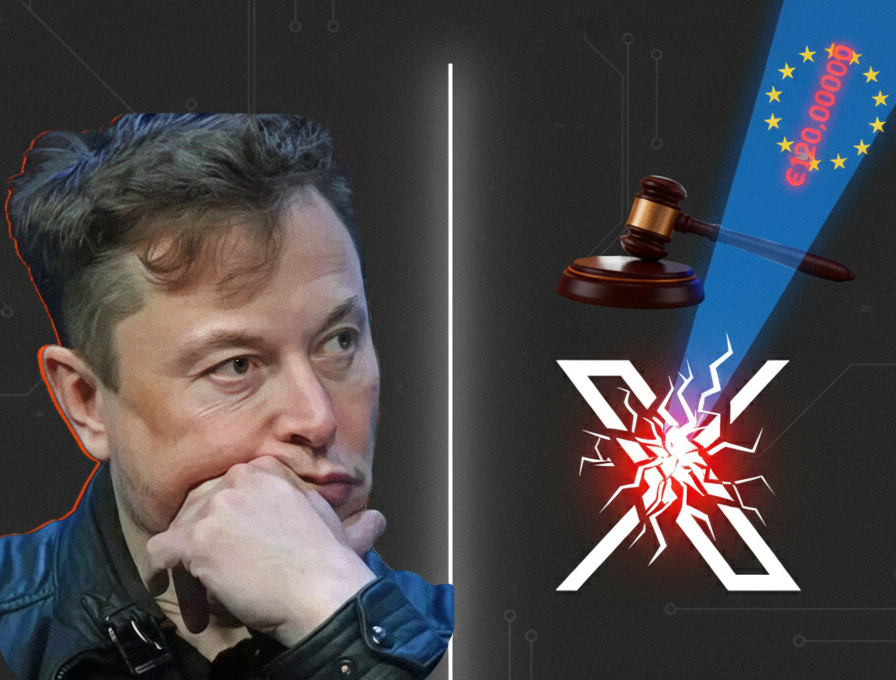
The European Commission has made its first major non-compliance decision under the Digital Services Act, hitting X with a €120 million penalty for systemic transparency failures. The fine immediately triggered a diplomatic confrontation with U.S. officials.
The Verdict: €120 Million for Transparency Breaches
The European Commission, the executive arm of the European Union, announced the fine against Elon Musk’s social media platform, X, for violating key transparency obligations under the Digital Services Act (DSA). The fine, equivalent to approximately $140 million, is the first significant non-compliance decision since the DSA's core rules came into effect for Very Large Online Platforms (VLOPs).
Crucially, the fine was levied for failures related to transparency and systemic risks, not content moderation or censorship, as some critics claimed.
The Three Major Violations
The €120 million fine was broken down across three main areas where X was found to be in breach of the DSA's requirements:
1. The Deceptive Blue Checkmark System
The Commission found that X's paid "blue checkmark" system constitutes a "deceptive design practice".
- The Breach: Under Musk's ownership, the blue badge is offered to users who pay a subscription fee without meaningful verification of their identity.
- The Harm: Regulators concluded this practice misleads users into believing the accounts are authenticated, increasing the risk of impersonation fraud, scams, and manipulation by malicious actors. The DSA prohibits online platforms from falsely claiming users have been verified when no such process took place.
2. Lack of Advertising Transparency
X was fined for its failure to maintain a fully transparent and accessible advertisement repository.
- The Breach: The DSA requires VLOPs to provide accessible ad repositories to enable researchers and the public to scrutinize advertising content, who paid for it, and whom it targeted.
- The Harm: The Commission stated that X’s repository incorporated design features and access barriers (such as excessive delays) and lacked critical information (like the legal entity paying for the ad), thus hindering efforts to detect scams and coordinated influence campaigns.
3. Failure to Provide Data Access for Researchers
The platform was penalized for erecting unnecessary barriers that prevent eligible researchers from accessing public data.
- The Breach: The DSA mandates that platforms allow researchers to access public data to study systemic risks, such as the spread of disinformation or illegal content.
- The Harm: The EU found that X’s terms of service and technical processes undermined this obligation, effectively "shutting out researchers" and hindering essential academic inquiry into major systemic risks in the European public sphere.
The Transatlantic Diplomatic Firestorm
The ruling immediately ignited a diplomatic confrontation, with U.S. officials, including Vice President J.D. Vance and Secretary of State Marco Rubio, quickly denouncing the fine.
- The U.S. Response: Officials struck a defiant tone, with some suggesting the EU was unfairly "attacking American tech platforms" and targeting X over what they framed as issues related to free speech and censorship.
- The EU Counter: European officials firmly rejected the accusations, emphasizing that the decision was entirely focused on transparency and accountability, not content. Henna Virkkunen, the EU's Executive Vice-President for Tech Policy, stated, "We are not here to impose the highest fines. We are here to make sure that our digital legislation is enforced... If you comply with our rules, you don't get the fine."
What Happens Next?
X now faces clear deadlines for compliance:
- 60 Working Days: To inform the Commission of specific measures to end the deceptive use of the blue checkmark.
- 90 Working Days: To submit an action plan to fix the advertising repository and researcher data access issues.
Failure to comply within these deadlines could lead to periodic penalty payments based on the platform's global revenue, a prospect that promises to keep the transatlantic tech debate heated for the foreseeable future.
Comments ()