
Huang's Reality Check: Why the 'Scarcity' of AI Chips Will Only Get Worse
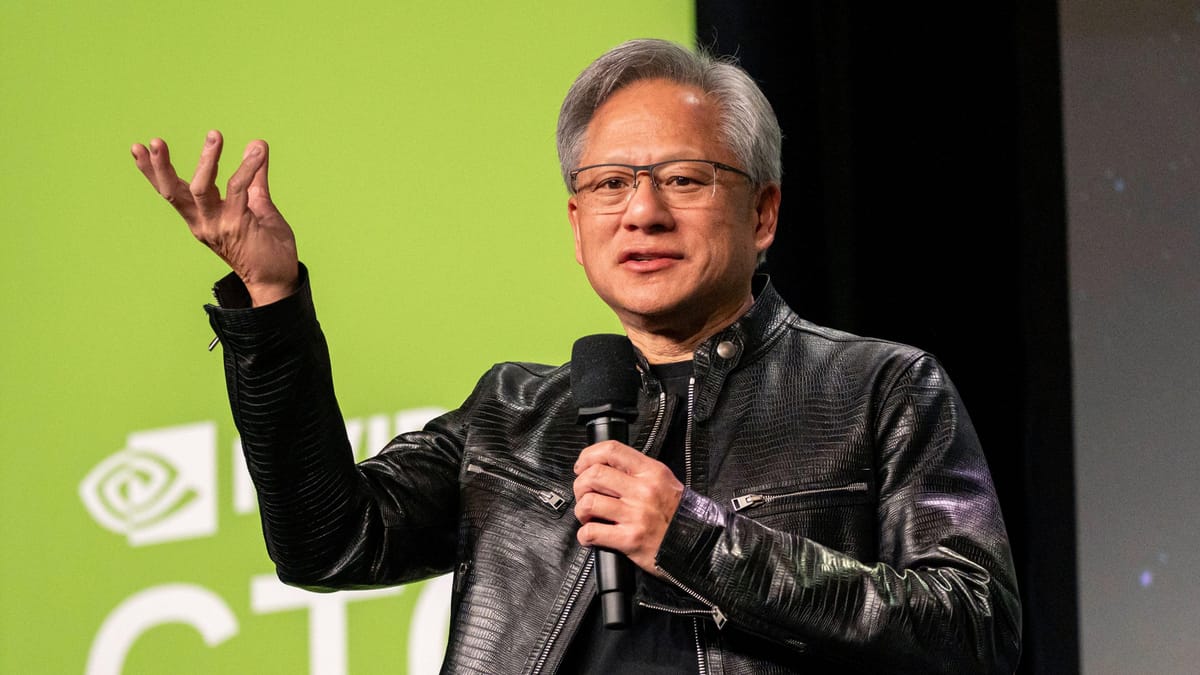
In the world of AI, the only thing hotter than the software is the hardware that powers it. NVIDIA CEO Jensen Huang, the undisputed king of accelerated computing, recently delivered a sharp reality check: the unprecedented demand for AI chips is not a temporary bubble, but the beginning of a sustained, escalating race.
Speaking at a recent keynote focused on the surging need for next-generation GPUs and TPUs, Huang summarized the current market environment with a mandate for action:
The Quote: The Engine of Change
Huang explicitly links the insatiable demand for NVIDIA's hardware directly to a fundamental, global shift in corporate identity.
"The time of scarcity is not over. We are still in the early stages of a profound computational change where every company is becoming an AI company. The demand for the engine—the accelerated computing chip—will only escalate."
The Core Shift: Every Company is Now an AI Company
For years, NVIDIA's primary customers were specialized tech firms and gaming enthusiasts. Now, every sector—from healthcare and finance to manufacturing and retail—is scrambling to deploy generative AI, custom models, and specialized agents.
- Corporate Transformation: This transition requires massive investment in specialized hardware. A bank needs chips to run sophisticated fraud detection AI; a pharmaceutical company needs chips for faster drug discovery; and every enterprise needs chips to power their internal Copilots.
- The Bottleneck is Hardware: Huang's statement acknowledges the current struggle across the industry: despite ramping up production, NVIDIA simply cannot manufacture its GPUs (the "accelerated computing chips") fast enough to meet the foundational demand from every major player on the planet.
Why Scarcity Will Escalate
The concept of "scarcity" isn't just about current supply chain issues; it's about the ever-increasing size and complexity of AI models:
- Bigger Models, Bigger Demand: Every subsequent AI model (Llama 4, GPT-6, etc.) requires exponentially more compute power to train than its predecessor.
- Decentralization: AI compute is moving from centralized cloud centers to edge devices, factories, cars, and personal workstations, expanding the necessary hardware footprint globally.
Huang's warning is a clear signal to investors and CEOs: the current era of intense competition for accelerated computing chips is a structural market condition. The engine of the next computational era—the GPU—will remain the most valuable and scarce resource for the foreseeable future.
Comments ()