
The Eco-Speed Upgrade: Samsung Resurrects the T7 SSD with Sustainable Power
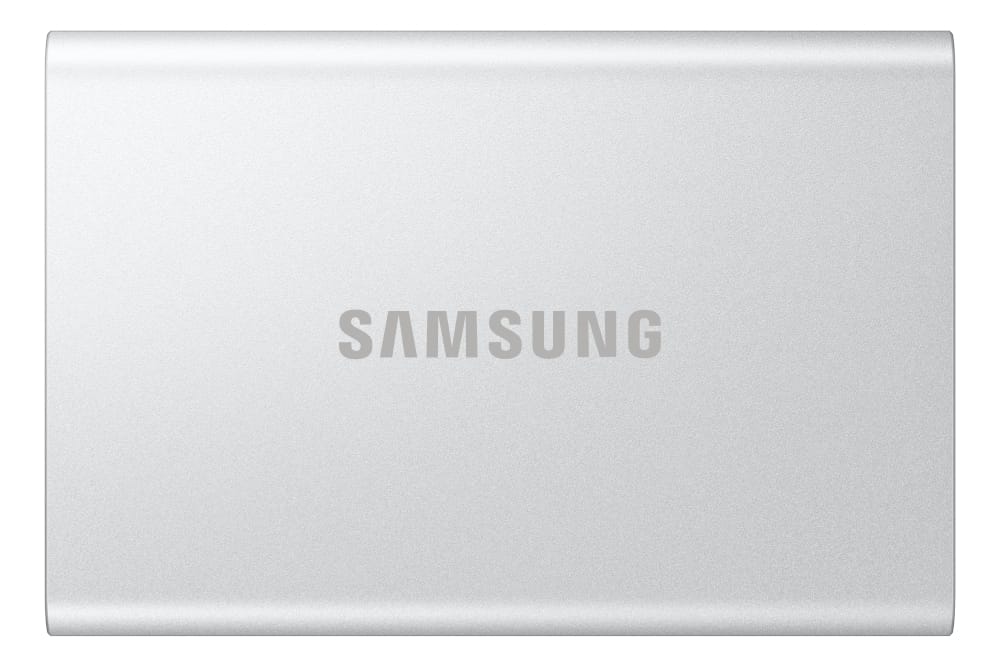
The portable storage market just got a conscience. Samsung has officially launched the New SSD T7 Resurrected, taking one of its most reliable and popular external drives and giving it a sustainable overhaul without compromising on performance.
Set for a worldwide launch on November 30, this new model is trending not just for its speed, but for its commitment to responsible manufacturing—a signal that eco-friendly design is becoming a core selling point in premium hardware.
Performance Meets Planetary Responsibility
The T7 Resurrected maintains the blazing speed that made its predecessor a hit with creators and professionals:
- Sequential Read Speed: Up to 1,050 MB/s
- Sequential Write Speed: Up to 1,000 MB/s
This speed, delivered over the ubiquitous USB 3.2 Gen 2 interface, allows users to edit high-resolution video (like 4K ProRes footage) directly from the drive, making it a powerful tool for on-the-go workflows.
The true innovation, however, is in its build:
- 100% Recycled Aluminum: The drive's sleek, credit-card-sized body is crafted entirely from 100% recycled aluminum, sourced from scrap generated during Samsung's own Galaxy smartphone production. This won the drive a 2026 CES Innovation Award in the Sustainability & Energy category.
- Minimized Chemicals: By eliminating the coloring process, the T7 Resurrected showcases the aluminum's natural luster, reducing chemical use and streamlining the manufacturing process.
The Great Storage Debate: Cloud vs. Drive
The launch of a high-capacity (up to 4TB), highly durable SSD like the T7 Resurrected revives a key question for the modern digital worker:
Is fast portable storage still essential in the age of cloud and 1TB smartphones, or is its role shrinking?
For content creators, data security specialists, and professionals dealing with massive, sensitive files, the answer is clear. No cloud service can compete with the speed and physical security (AES 256-bit hardware encryption and 2-meter drop resistance) of a local SSD. It’s the ultimate combination of performance, security, and now, sustainability.
Comments ()