
The Prodigal Foundry: Is Apple Really Returning to Intel for M-Series Chip Manufacturing?
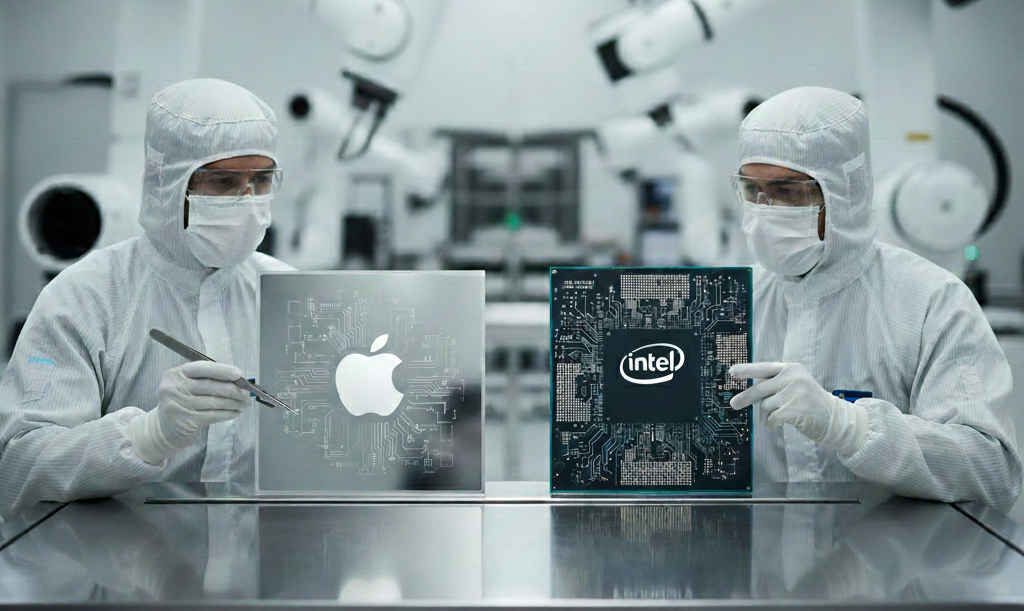
It was a headline that shook the tech world five years ago: Apple was officially breaking up with Intel, fully transitioning its Macs to its own custom-designed M-series silicon. It signaled a new era of vertical integration for Apple and a profound challenge for Intel.
Now, reports from respected supply chain analysts suggest the unthinkable: Apple may be rekindling its relationship with Intel, not for chip design, but for manufacturing. Intel could begin producing Apple's lowest-end M-series processors, such as those found in the MacBook Air, as early as 2027, leveraging its cutting-edge 18AP process technology.
A Strategic Reunion: Why Now?
This rumored partnership, if true, isn't born of sentimentality, but hard-nosed strategic imperatives that speak volumes about the current global tech landscape:
- Supply Chain Diversification: Apple currently relies heavily on a single, primary foundry (TSMC in Taiwan) for its advanced custom silicon. Geopolitical tensions and the inherent risks of single-source reliance have pushed every major tech player to diversify. Bringing Intel's new US-based foundries into the mix offers a crucial hedge.
- Intel's Foundry Comeback: Intel has invested tens of billions into its new foundry services (Intel Foundry) and an ambitious process roadmap, with 18AP being a key advanced node. Securing Apple as a manufacturing client, even for lower-end chips, would be an enormous validation of Intel's re-emerging manufacturing prowess and its ability to compete at the leading edge.
- Government Incentives & Domestic Manufacturing: The US government is heavily incentivizing domestic chip manufacturing through acts like the CHIPS Act. Apple, as a major US company, would likely benefit from aligning with these geopolitical and economic pressures by utilizing US-based foundries.
Security vs. Pressure: The Core Question
The focus on "lowest-end" M-series chips suggests a cautious re-engagement, allowing both companies to test the waters without risking Apple's most critical, high-performance processors.
This rumored move forces a pivotal question: Is Apple's rumored return to Intel for manufacturing driven more by the critical need for supply chain security and resilience, or by government policy pressure and the allure of domestic manufacturing incentives?
Regardless of the primary driver, this potential alliance underscores the tectonic shifts underway in the global semiconductor industry, where national interests and supply chain robustness are becoming as critical as pure technological innovation.
Comments ()