
The Single Point of Failure: Why a Broken AC Unit Shut Down Global Derivatives Trading
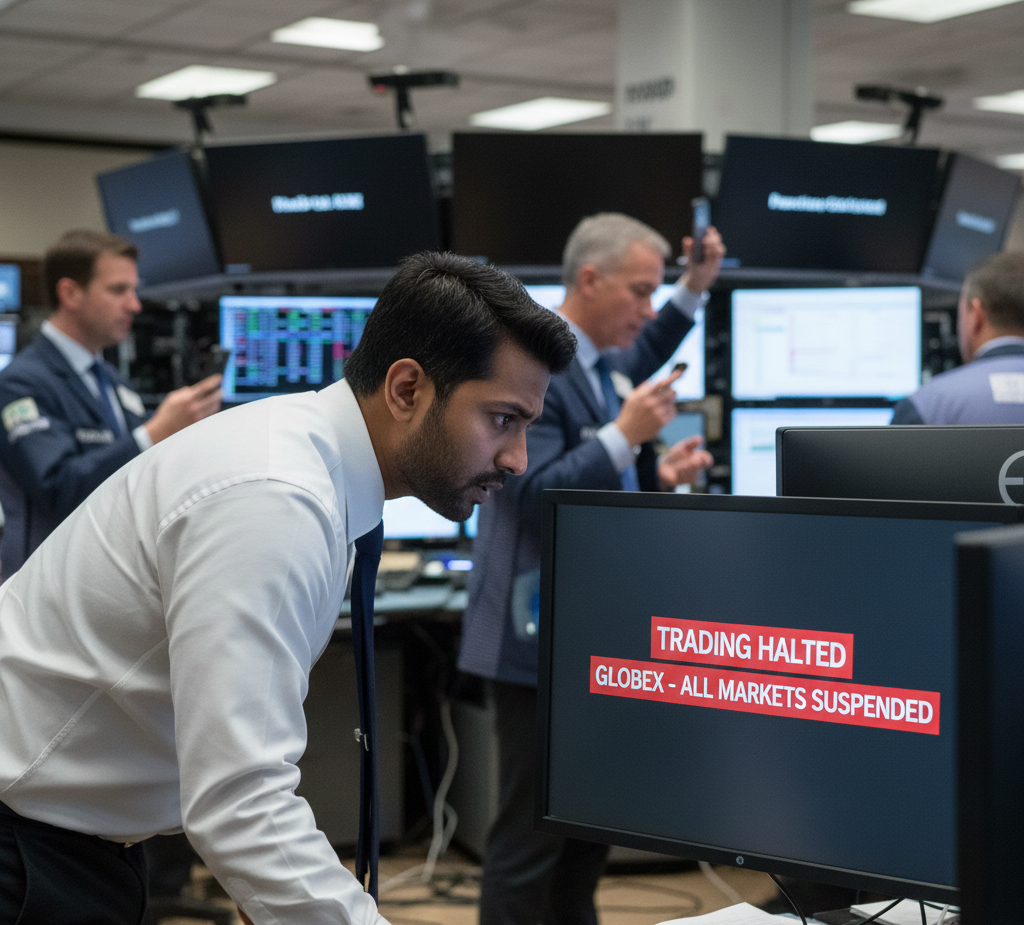
The global financial system, with its algorithms, high-frequency trading, and instantaneous data flows, is supposed to be the epitome of digital robustness. Yet, this week, that entire system was brought to a grinding halt—not by a cyberattack or a financial crisis, but by a simple, physical failure: a cooling issue at a Chicago-area data center.
The outage, which lasted over 10 hours, froze trading across the CME Group's Globex platform, impacting key futures markets including the S&P 500, Nasdaq 100, WTI Crude, and Gold. The root cause was confirmed to be a cooling failure at a CyrusOne facility that houses CME's critical trading engines.
The Fragility of Digital Infrastructure
This incident, which traders called a "black eye" and a reminder of how interconnected markets are, highlights a critical, often-ignored reality:
- The Heat Limit: Modern servers, especially those running high-intensity financial applications, generate enormous amounts of heat. If cooling systems fail, the hardware quickly exceeds safe operating temperatures and must be shut down to prevent permanent damage. Physics dictates the speed of finance.
- Redundancy Failure: Financial institutions typically demand Tier IV data centers, which require 2N redundancy (two completely independent, mirrored systems for every component, including cooling). The severity and duration of this outage suggest that critical redundancy protocols failed, creating a catastrophic single point of failure in a system designed for fault-tolerance.
- Market Reliance: The outage left brokers "flying blind," forcing many to avoid trading or rely on their own internal pricing models, incurring unnecessary risk. It demonstrated that CME's Globex platform is the non-negotiable benchmark for global derivatives.
The Call for Mandatory Resilience
The incident raises profound questions for regulators and tech partners alike:
- How can a cooling system failure shut down a system handling trillions in assets? The margin for error in infrastructure supporting critical financial markets should be zero.
- What level of redundancy is truly necessary? Should regulatory bodies mandate Tier IV (Fault-Tolerant) redundancy (2N cooling, power, etc.) for any data center hosting national or global financial systems, regardless of the cost?
- This week proved that the physical infrastructure is the ultimate bottleneck to digital finance. The cost of downtime for the global economy far exceeds the cost of a fully redundant cooling system.
Comments ()